



Deep Analysis of the Power Cable Industry Chain: From Raw Materials to the Global Export Market
The power cable industry moves electricity from where it is made to where it is used. It includes many steps. These steps start with raw materials and end with exports around the world. Each step affects cost, reliability, and safety. This article looks at raw materials, where cables are made, how demand is changing, the export strength of Jiangnan Cable, and what the future may hold.
Raw Materials
Raw materials are one of the most important things in the cable industry. Copper and aluminum act as the conductors that carry electric current. Copper is mostly used because it has high electrical conductivity and strength. And if the budget is tight and lightweight material is required, then aluminium is perfect. Whereas insulation and sheathing rely on polymers.
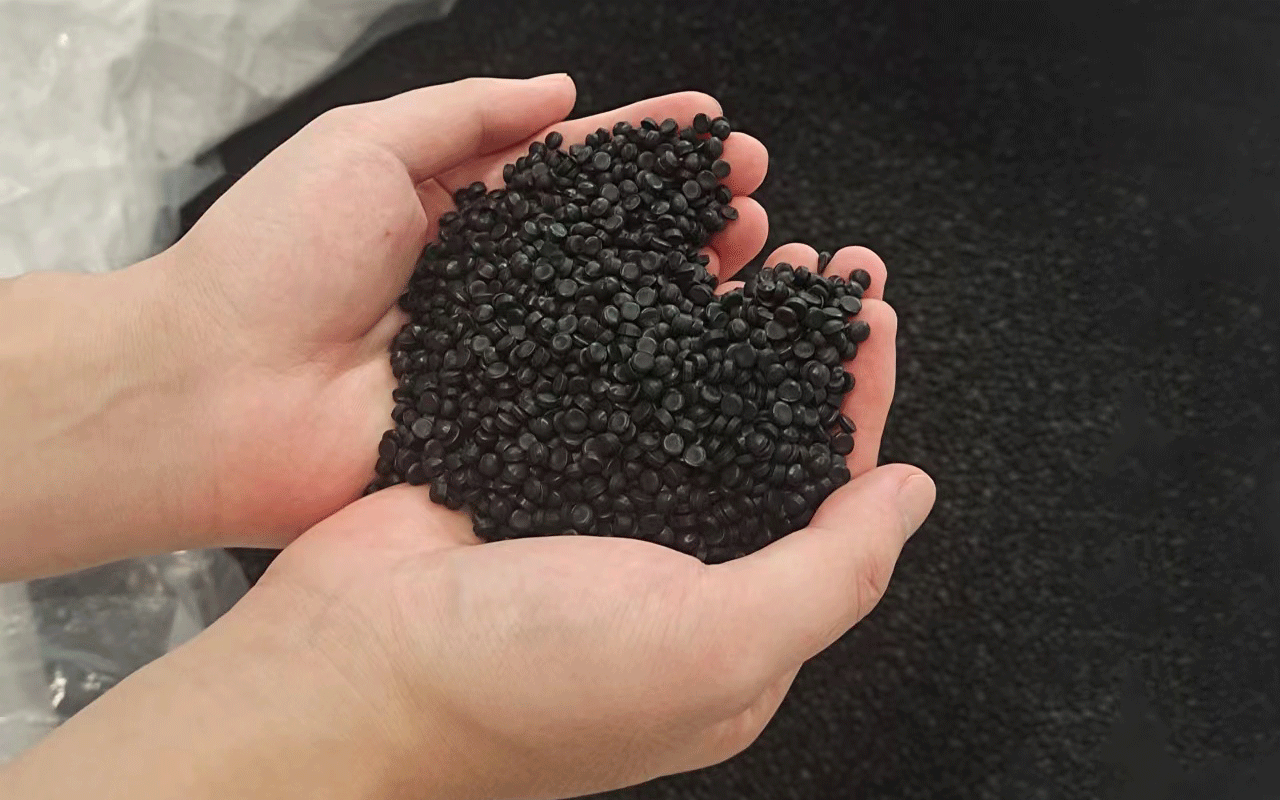
PVC is common for lower voltage and general use. Cross-linked polyethylene, also called XLPE, is used for higher voltage applications because it resists heat and electrical stress. Cable-making industries purchase these materials in bulk quantities. Because the material cost plays an important role in deciding what the final price of cable will be, and how much margin will be for manufacturers. Getting things from other places and recycling are also very important for ecology and support.
![Deep Analysis of the Power Cable Industry Chain: From Raw Materials to the Global Export Market 1]()
Manufacturing (Major Domestic Production Bases)
China has many major production bases for cable manufacturing. Areas in Jiangsu and nearby provinces host large clusters of wire and cable factories. These clusters combine raw material suppliers, equipment makers, and testing labs. The setup helps reduce transport time and lowers production costs. Many companies produce a full range of products. These products include low-voltage cables for buildings and high-voltage cables for power grid projects. The presence of skilled workers and long experience has helped these domestic bases grow into national hubs.
Global Demand
Global demand for power cables has been rising because of large infrastructure projects. Investments in grid upgrades, renewable energy, and data centers all push demand upward. It has been found that the market for power cables will keep growing over the next few years. The need to connect more wind and solar farms, update old networks, and add more transmission capacity for new businesses is what drives growth.
At the same time new technologies in digital infrastructure and electric cars make more wiring and cables necessary. These trends point to steady global growth and rising raw material consumption.
Jiangnan Cable's Export Capacity
Jiangnan Cable is one of the established cable makers in China. The firm offers a wide variety of cables. It produces both power cables and specialized cables for industry. The company reports significant yearly production capacity. The firm also serves markets abroad.
Jiangnan can handle big orders and meet the standards of customers from other countries due to its large factories and production lines. And Jiangnan can make a lot of different goods, and it can consistently meet a big part of the world's export needs.
Future Trends of the Cable Industry
The cable industry will change in several key ways. As grids expand and clean energy grows, there will probably be a greater demand for materials. This will maintain pressure on supplies of copper and aluminum. Second, manufacturers will spend money on improved testing and automation. This will lower expenses and enhance quality.
Third, recycling and circular economy practices will gain momentum. Companies will try to recover metals and reuse polymer materials to cut cost and lower their environmental impact. Fourth, higher technical standards for long-distance and high voltage projects will push more use of XLPE and other advanced materials. Finally, companies with large production scales and stable supply chains will be best positioned to serve global markets as demand rises.
Conclusion
The power cable chain links raw materials, factories, markets, and exports. Copper, aluminum, PVC, and XLPE are central to the chain. China hosts many major production bases that supply the world. Global demand is driven by grid work, clean energy, and digital infrastructure. Because of its strong production capacity, Jiangnan Cable can serve the sports market. In the future, the sector will be shaped by increased standards, automation, recycling, and material strain. Businesses that successfully balance quality and supply will dominate the global market.
